Exploring the Versatility of Mountains Icon in Modern Design
The Symbolic Power of Mountains in Visual Communication
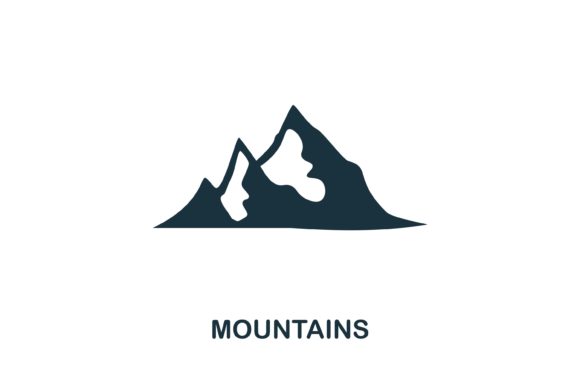
Mountains have long symbolized strength, endurance, and natural beauty. In visual design, the Mountains icon captures these qualities, making it a powerful element for conveying stability, adventure, and inspiration. Whether used in branding, web interfaces, or educational infographics, this icon serves as a versatile visual anchor that resonates across cultures and industries.
Designers often seek icons that are both meaningful and adaptable. The Mountains icon meets this need with its clean lines and recognizable form. From minimalist illustrations to detailed vector graphics, it can be tailored to fit a wide range of aesthetic preferences and technical requirements.
Practical Applications Across Industries
The Mountains icon is not limited to travel or outdoor-related content. Its adaptability allows it to be integrated into diverse sectors, including:
- Education: Representing geography lessons or environmental studies.
- Technology: Symbolizing cloud services, data storage, or system resilience.
- Health and Wellness: Used in mindfulness apps or fitness platforms to denote elevation or progress.
- Business: Illustrating growth, strategy, or long-term goals in presentations and reports.
Each application benefits from the icon’s ability to communicate complex ideas quickly and effectively. For example, in a dashboard interface, the Mountains icon can signify progress or achievement levels, while in a mobile app, it may denote location-based services or elevation data.
Technical Advantages of Vector-Based Icons
When working with digital assets, scalability and editability are essential. The Mountains icon is typically delivered as a vector graphic (EPS file), which ensures crisp rendering at any size. Unlike raster images (JPG), vector files maintain clarity whether displayed on a smartphone screen or printed on a billboard.
Moreover, vector formats allow designers to:
- Edit individual elements such as peaks, ridges, or shadows.
- Customize colors to match brand palettes or seasonal themes.
- Integrate the icon seamlessly into layered design projects.
This flexibility makes the Mountains icon an ideal choice for web design, UI/UX development, and infographic creation. Designers can easily repurpose the same icon across multiple platforms without compromising quality or consistency.
Enhancing User Experience with Visual Cues
In user interface design, intuitive navigation is key. The Mountains icon can act as a visual cue, guiding users through an app or website. For instance, in a travel booking platform, it might represent mountain destinations or adventure packages. In a weather app, it could indicate elevation or terrain-based forecasts.
Its use in templates and responsive layouts ensures that users receive consistent visual feedback. When combined with other icons in a set, the Mountains icon contributes to a cohesive visual language that enhances usability and aesthetic appeal.
Customization and Integration for Creative Projects
Designers appreciate assets that are both ready-to-use and customizable. The Mountains icon package typically includes an EPS file for editing and a JPG version for immediate use. This dual-format approach caters to different project needs—whether the designer is working on a scalable vector illustration or a static image for a printed brochure.
Creative professionals can layer the icon with textures, gradients, or animations to match specific design styles. It can also be integrated into SVG-based web components for interactive experiences, such as hover effects or dynamic transitions.
Use in Marketing and Branding Materials
Brands often use symbolic imagery to communicate their values. The Mountains icon is especially effective for companies that emphasize resilience, exploration, or natural beauty. Outdoor apparel brands, travel agencies, and wellness retreats frequently incorporate this icon into their logos, packaging, and promotional materials.
Its clean, modern appearance makes it suitable for both digital and print media. In social media graphics, it can serve as a recurring motif to reinforce brand identity. In email newsletters, it might be used to highlight adventure-themed content or seasonal promotions.
Educational and Infographic Uses
Visual learners benefit from the clarity and simplicity of icons. The Mountains icon is especially useful in educational materials that explain geographical concepts, climate zones, or tectonic activity. It can also be used in infographics to represent elevation, travel distance, or performance metrics.
For example, a climate change infographic might use the Mountains icon to show glacial retreat over time. In a health-related chart, it could symbolize progress in a fitness journey or elevation gains during a hike. These applications demonstrate how a single icon can be repurposed creatively while maintaining its core meaning.
Accessibility and Inclusivity in Icon Design
Modern design increasingly prioritizes accessibility. The Mountains icon is often crafted with clear outlines and high contrast, making it more readable for users with visual impairments. When paired with alt text or descriptive labels, it enhances the usability of websites and applications for screen readers and other assistive technologies.
Designers should also consider cultural context when using the icon. While mountains are universally recognized, their symbolic meaning can vary across regions. A well-designed Mountains icon remains neutral enough to be inclusive while still carrying visual weight and meaning.
Choosing the Right Format for Your Project
Understanding the difference between EPS and JPG formats is crucial for maximizing the utility of the Mountains icon. The EPS file is ideal for vector editing software like Adobe Illustrator, allowing for precise adjustments and scaling. The JPG file, on the other hand, is best suited for quick implementation in web or print layouts where high resolution is not required.
For digital designers, having both formats on hand ensures flexibility. Whether you're building a scalable SVG for a responsive website or placing a static image in a PDF report, the Mountains icon adapts to your workflow with minimal effort.
Future Trends in Iconography
As design trends evolve, so do the expectations for icons. The Mountains icon continues to gain popularity in modern design systems due to its timeless appeal and adaptability. Emerging trends include animated icons, 3D renderings, and AI-assisted customization tools that allow users to tweak colors, shapes, and styles with minimal technical skill.
Designers can expect to see more contextual variations of the Mountains icon in the future—such as seasonal themes (snow-covered peaks in winter, green slopes in summer) or thematic sets that include other natural elements like trees, rivers, and sun. These developments will further expand the icon’s utility across platforms and industries.