Motivation Icon from Teamwork Collection: Elevating Visual Communication
Visual shorthand is the backbone of effective digital communication, and few symbols carry as much immediate weight as a well-crafted motivation icon. When sourced from a dedicated teamwork collection, this graphic element does more than fill empty space on a slide or webpage; it instantly communicates concepts of drive, collaboration, and upward momentum. For designers, marketers, and business owners, securing a high-quality motivation symbol is often the difference between a generic presentation and one that resonates emotionally with an audience. However, the simplicity of a line element can be deceptive. Many users underestimate the technical and aesthetic nuances required to integrate these assets effectively, leading to wasted budget and disjointed designs.
Understanding the Asset Beyond the Thumbnail
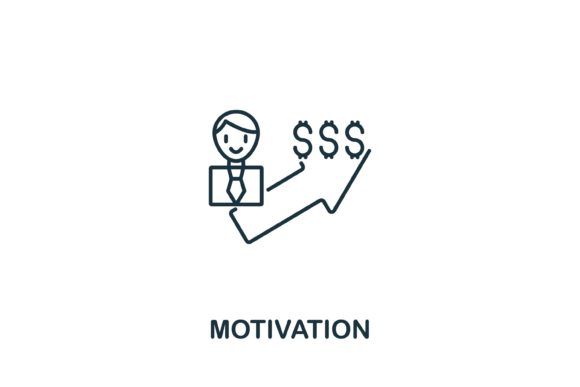
The Motivation Icon from Teamwork Collection is typically designed as a simple line element, optimized for versatility across templates, web design, and infographics. Its primary value lies in its ability to convey complex human behaviors—encouragement, goal-setting, and collective effort—without relying on text. People are interested in this specific asset because it bridges the gap between corporate professionalism and human-centric storytelling. Whether you are building an employee engagement dashboard or creating educational materials for students, this symbol serves as a universal anchor.
However, a common misunderstanding occurs during the evaluation phase. Users often judge the utility of the icon solely by its JPG preview. This is a critical error. The preview is merely a rasterized snapshot; the true value resides in the vector source file. Failing to distinguish between the visual appeal of the thumbnail and the structural integrity of the EPS file leads to significant usability issues down the line. You must understand that you are acquiring a scalable mathematical path, not just a picture. This distinction dictates how the asset will perform when resized for a billboard versus a mobile app button.
Avoiding Technical Pitfalls with File Formats
One of the most frequent mistakes creators make involves mishandling the delivered file formats. When you acquire this asset, you receive both EPS and JPG files. A novice error is using the JPG for print materials or large-scale displays. While convenient, JPGs are pixel-based and will degrade rapidly when scaled up, resulting in jagged edges and unprofessional artifacts. Conversely, using an EPS file directly in web environments without proper conversion can cause browser compatibility issues or excessive load times.
To avoid this, always treat the EPS file as your master copy. This vector format ensures that the simple line element remains crisp at any dimension. Before applying the icon to a project, open the EPS in Adobe Illustrator, CorelDRAW, or a free alternative like Inkscape to verify the path integrity. Check for stray anchor points or open paths that could cause rendering errors when converting to SVG for web use. For digital applications, export a clean SVG or a high-resolution PNG with transparency from the EPS master. Reserve the included JPG strictly for mockups, internal references, or low-stakes placeholders. By respecting the hierarchy of file formats, you preserve the professional quality intended by the original designer.
Ensuring Editability and Customization
The promise of "easy to edit and use" is only valid if you possess the right workflow. Many buyers assume that editable means they can simply change colors in Microsoft Word or PowerPoint. While basic recoloring is possible in some office suites, true customization requires vector editing software. If you lack access to these tools, the "editable" nature of the EPS file becomes moot. Before purchasing or downloading, honestly assess your software capabilities.
If you are working within limited environments like Canva or basic website builders, verify whether the platform supports SVG uploads or EPS imports. If not, you may need to hire a freelancer to convert the Motivation Icon from Teamwork Collection into a format compatible with your specific ecosystem. Overlooking this step results in owning a premium asset that sits unused in a folder because it cannot be integrated into your current tech stack. Planning for compatibility before acquisition saves frustration and ensures the asset delivers immediate ROI.
Contextual Relevance and Stylistic Consistency
Even a perfectly formatted icon can fail if it clashes with the surrounding design language. A prevalent mistake is mixing line weights inconsistently. The Motivation Icon from Teamwork Collection features a specific stroke width designed for balance. Placing this delicate line art next to heavy, filled glyphs or overly detailed illustrations creates visual dissonance. This inconsistency distracts the viewer and undermines the cohesive identity of your brand or project.
To correct this, audit your existing icon library before integration. Compare the stroke thickness, corner radius, and overall geometric style of the new motivation symbol against your current assets. If there is a mismatch, use the EPS file to adjust the stroke weight globally rather than forcing a poor fit. Additionally, consider the semantic context. While labeled as a "motivation" icon, ensure the specific metaphor aligns with your message. Does the symbol depict individual achievement or group synergy? Using a solo-climber icon for a team-building seminar sends a mixed signal. Always validate that the visual metaphor reinforces, rather than contradicts, your textual content.
Licensing and Usage Rights Verification
Another overlooked detail involves the scope of usage rights. Users frequently assume that acquiring a vector file grants unlimited ownership. This is rarely the case. You must review the specific license terms associated with the Teamwork Collection. Determine whether the license covers commercial use, client work, or template redistribution. Using the icon in a product you intend to sell, such as a planner or a SaaS interface, often requires an extended license compared to using it in an internal newsletter.
Neglecting this verification exposes you to legal risks and potential rebranding costs later. Before finalizing any design, cross-reference your intended application with the license agreement. If your project falls into a gray area, contact the licensor for clarification. It is far more efficient to secure the correct permissions upfront than to redesign a campaign after receiving a cease-and-desist notice. Responsible asset management includes understanding the legal boundaries of your creative tools.
Optimizing for Accessibility and Performance
In the rush to deploy graphics, accessibility and performance are often sacrificed. A motivation icon is meaningless to screen reader users if it lacks appropriate metadata. Simply dropping an image onto a page excludes visually impaired audiences. Furthermore, unoptimized vector files can contain hidden bloat that slows down web performance.
When implementing the Motivation Icon from Teamwork Collection digitally, always include descriptive alt text that conveys the function or meaning of the icon, not just its appearance. Instead of "icon," use "team motivation chart" or "goal setting illustration" depending on context. Simultaneously, optimize your exported SVG code. Remove unnecessary metadata, editor-specific comments, and redundant groups generated during the EPS-to-SVG conversion. Tools like SVGO can reduce file size significantly without compromising visual fidelity. By addressing these technical details, you ensure that your design is inclusive and efficient, enhancing the user experience for everyone.
Ultimately, the Motivation Icon from Teamwork Collection is a powerful tool for visual storytelling, but its effectiveness depends entirely on informed usage. By avoiding common technical errors, ensuring stylistic harmony, verifying licensing, and prioritizing accessibility, you transform a simple line element into a strategic asset. Take the time to evaluate your workflow and needs before implementation. This deliberate approach ensures that your investment yields professional, impactful results that truly motivate your audience.