Understanding the Role of Mouse Icons in Modern Web Design
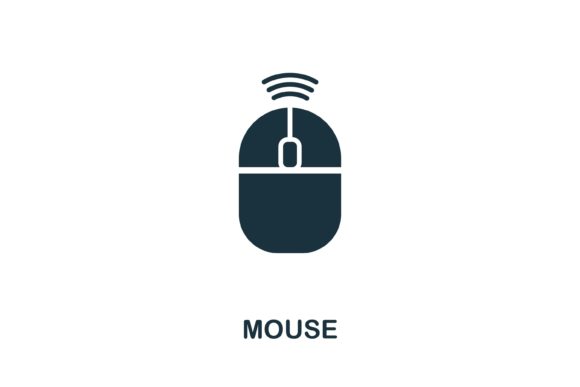
In today’s digital landscape, visual elements play a crucial role in user experience and interface design. One such element that often goes unnoticed but holds significant importance is the Mouse Icon. Whether it's used in web design, templates, or infographics, the mouse icon serves as a symbolic representation of user interaction and control.
The Mouse Icon is more than just a small graphic. It's a design asset that communicates functionality, guides users, and enhances the visual language of a website or application. Especially in tutorials, onboarding sequences, or interactive demos, a well-designed mouse icon can direct attention, suggest actions, and improve overall usability.
Why Mouse Icons Matter in Design Projects
Icons are a universal design language. They transcend text and offer a visual shorthand that users instantly recognize. The mouse icon, in particular, is associated with navigation, selection, and interaction. It's often used in UI/UX design to indicate clickable elements, hover actions, or to demonstrate how users can engage with a digital product.
- Clarity: A clear mouse icon helps users understand where to click or how to interact with an interface.
- Consistency: Using standardized icons like the mouse icon maintains design harmony across platforms.
- Visual Guidance: In instructional materials or walkthroughs, a mouse icon visually guides the user through steps.
Designers often look for icons that are scalable, easy to edit, and compatible with different formats. This is where the value of vector-based mouse icons comes in, especially when delivered in EPS or JPG formats. These files can be resized without losing quality and adapted for various use cases, from mobile apps to large-scale banners.
Practical Uses of the Mouse Icon Across Industries
The versatility of the mouse icon makes it a staple in a wide range of digital environments. Here are a few practical applications:
- Website Tutorials: Mouse icons are commonly used in step-by-step guides to show users where to click or hover.
- Software Onboarding: Applications often use mouse icons to highlight features or demonstrate navigation during onboarding.
- Infographics and Presentations: Visual data representations benefit from mouse icons to illustrate interaction points or digital behavior.
- Mobile App Design: Even though mobile devices don’t use physical mice, the mouse icon symbolizes interaction in design mockups or user flow diagrams.
Designers working in fields like education, marketing, or software development find the mouse icon invaluable for creating intuitive and visually engaging content.
Choosing the Right Mouse Icon for Your Project
When selecting a mouse icon, consider the following factors:
- Style: Choose a design that matches your project’s overall aesthetic—minimalist, flat, or skeuomorphic.
- File Format: Vector files like EPS are ideal for scalability, while JPG is suitable for web use or presentations.
- Customizability: Look for icons that are easy to recolor, resize, or integrate into existing design systems.
Many design asset platforms offer ready-to-use mouse icons that are compatible with popular tools like Adobe Illustrator, Figma, or Sketch. Always check the licensing to ensure the icon can be used in both personal and commercial projects.
How to Integrate Mouse Icons into Your Design Workflow
Incorporating a mouse icon into your design workflow is straightforward, especially with modern design tools. Here’s how you can do it effectively:
- Use in Wireframes: Add mouse icons to indicate interactive elements during the early design phase.
- Enhance Tutorials: Overlay a mouse icon over screenshots to guide users through specific actions.
- Improve Accessibility: Pair mouse icons with text labels to ensure clarity for all users, including those with visual impairments.
For example, when designing a tutorial on how to use a new dashboard, placing a mouse icon near a “Settings” button clearly communicates where the user should click. This reduces confusion and improves the learning curve.
Benefits of Vector-Based Mouse Icons
Vector graphics, such as those provided in EPS format, offer several advantages over raster images like PNG or JPG:
- Scalability: Vectors maintain sharpness at any size, making them perfect for responsive designs.
- Editability: Vector files can be easily modified in design software, allowing for customization of color, shape, and style.
- Compatibility: Most design tools support vector formats, making them versatile for different workflows.
Designers who frequently work across platforms or need to scale assets for different screen sizes will find vector-based mouse icons indispensable.
Mouse Icon in the Context of Modern UX Design
As digital interfaces evolve, so does the role of icons like the mouse. With the rise of touch-based and voice-activated interfaces, the mouse may seem less relevant. However, its symbolic value remains strong, especially in hybrid environments where users switch between devices.
For instance, in cross-platform applications that work on both desktop and mobile, the mouse icon can be used in help sections or tooltips to represent interaction, regardless of the input method. This consistency helps maintain a unified user experience.
Additionally, in the world of remote work and online learning, the mouse icon is often used in video tutorials and screen recordings to guide viewers through processes. Its presence helps bridge the gap between visual demonstration and user action.
Where to Find High-Quality Mouse Icons
There are numerous platforms offering mouse icons, but not all are created equal. When searching for icons, look for:
- High Resolution: Ensure the icon is crisp and clear, especially for print or large displays.
- Multiple Formats: Having access to both EPS and JPG gives flexibility in how you use the icon.
- License Clarity: Confirm whether the icon is free to use or requires attribution, particularly for commercial projects.
Many design marketplaces and icon libraries provide curated collections that include the mouse icon as part of larger sets, making it easy to find cohesive design elements for your project.
Final Thoughts on the Mouse Icon’s Design Value
The mouse icon may be small in size, but its impact on usability and design communication is significant. Whether you're creating a user interface, developing instructional content, or designing a presentation, incorporating a well-crafted mouse icon can enhance clarity and user engagement.
With the right tools and file formats—like EPS and JPG—you can easily adapt and integrate this icon into a wide range of creative projects. As digital design continues to evolve, the mouse icon remains a timeless symbol of interaction, guiding users through the digital world with simplicity and precision.